
Tips for Creating a Cozy and Functional Home Office Space
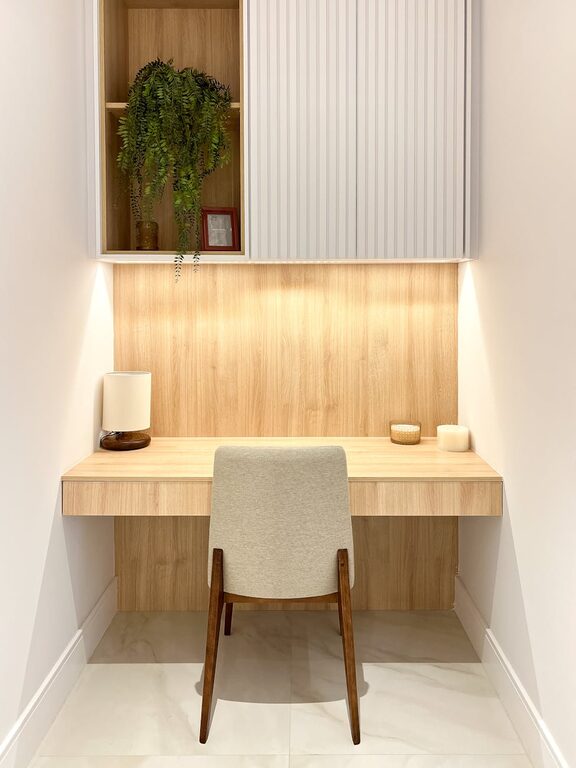
Creating a home office that balances comfort and functionality is essential for anyone working remotely or frequently from home. A well-designed workspace not only improves productivity but also enhances your overall well-being. Whether you have a dedicated room or a small corner, these tips will help you create a cozy and efficient home office space.
Choose the Right Location
Finding the perfect spot for your home office sets the foundation for a productive workspace. Ideally, select an area:
– Away from high-traffic zones: Choose a quiet space to minimize distractions.
– With natural light: Natural sunlight can boost mood and energy.
– With enough space for essentials: Ensure there is room for your desk, chair, and storage.
Even if space is limited, carving out a corner with good lighting and some privacy can work well.
Invest in a Comfortable Chair and Desk
Your chair and desk are the backbone of a functional home office.
– Ergonomic chair: A supportive chair helps maintain good posture and reduces discomfort during long working hours.
– Appropriate desk height: Choose a desk that fits your height and allows your arms to rest comfortably when typing.
– Adjustable options: Adjustable desks or chairs let you customize your setup for comfort.
Comfortable seating and proper desk height help prevent fatigue and physical strain.
Organize Your Workspace Wisely
Clutter can be distracting. Keeping your workspace tidy can improve focus and efficiency.
– Declutter regularly: Remove unnecessary items to keep your space clean.
– Use storage solutions: Shelves, drawers, and organizers help manage papers, office supplies, and gadgets.
– Keep frequently used items within reach: Arrange essentials like pens, notebooks, and chargers near your desk.
A well-organized desk promotes a clear mind.
Personalize Your Space for Coziness
Making your office cozy encourages you to enjoy your time there.
– Add soft lighting: Desk lamps or string lights create a warm atmosphere.
– Include plants: Greenery adds life and purifies the air.
– Use cozy textiles: Cushions, throws, or a small rug can make the space inviting.
– Display inspiring decor: Artwork, photos, or motivational quotes can boost creativity.
Personal touches make your workspace feel welcoming.
Optimize Technology Setup
Smooth technology use is critical for productivity.
– Reliable internet connection: Ensure strong Wi-Fi or a wired connection to avoid interruptions.
– Organized cables: Use clips or sleeves to keep cords untangled.
– Proper monitor placement: Position your screen at eye level to reduce neck strain.
– Effective lighting for screens: Avoid glare with adjustable blinds or anti-glare screen protectors.
A smart tech setup supports efficient work.
Establish Zones for Different Tasks
If space permits, create specific areas tailored to various activities.
– Main work zone: Your desk for computer-based tasks.
– Reading or brainstorming corner: A comfortable chair or small table for thinking or reviewing papers.
– Storage zone: A cabinet or shelf for supplies and files.
Dividing your office into zones can help organize tasks mentally and physically.
Pay Attention to Sound Management
Noise can disrupt concentration, so consider ways to control it.
– Use rugs or curtains: These absorb sound and reduce echoes.
– Invest in noise-canceling headphones: Helpful if you share your home or face outside noise.
– Consider white noise machines or apps: These can block distractions and promote focus.
Creating a quiet environment enhances productivity.
Maintain Good Air Quality and Temperature
Comfort extends beyond furniture and lighting.
– Air circulation: Open windows when possible or use a fan to keep air fresh.
– Temperature control: Use a heater or air conditioner to maintain a comfortable temperature.
– Indoor plants: Besides visual appeal, plants can improve air quality.
Comfortable air quality ensures you can focus better.
Set Boundaries for Work and Relaxation
Keeping work life and home life separate is vital when working remotely.
– Define office hours: Use your designated workspace only during these hours.
– Signal boundaries: A closed door or a sign can help family members respect your work time.
– Take breaks away from your desk: Step outside or move to another room to recharge.
Healthy boundaries prevent burnout and improve work-life balance.
—
Designing a cozy and functional home office is achievable with thoughtful planning and simple changes. Prioritize comfort, organization, and personalization to create a space where you can work efficiently and feel relaxed. With the right setup, your home office can become your favorite room to work in.